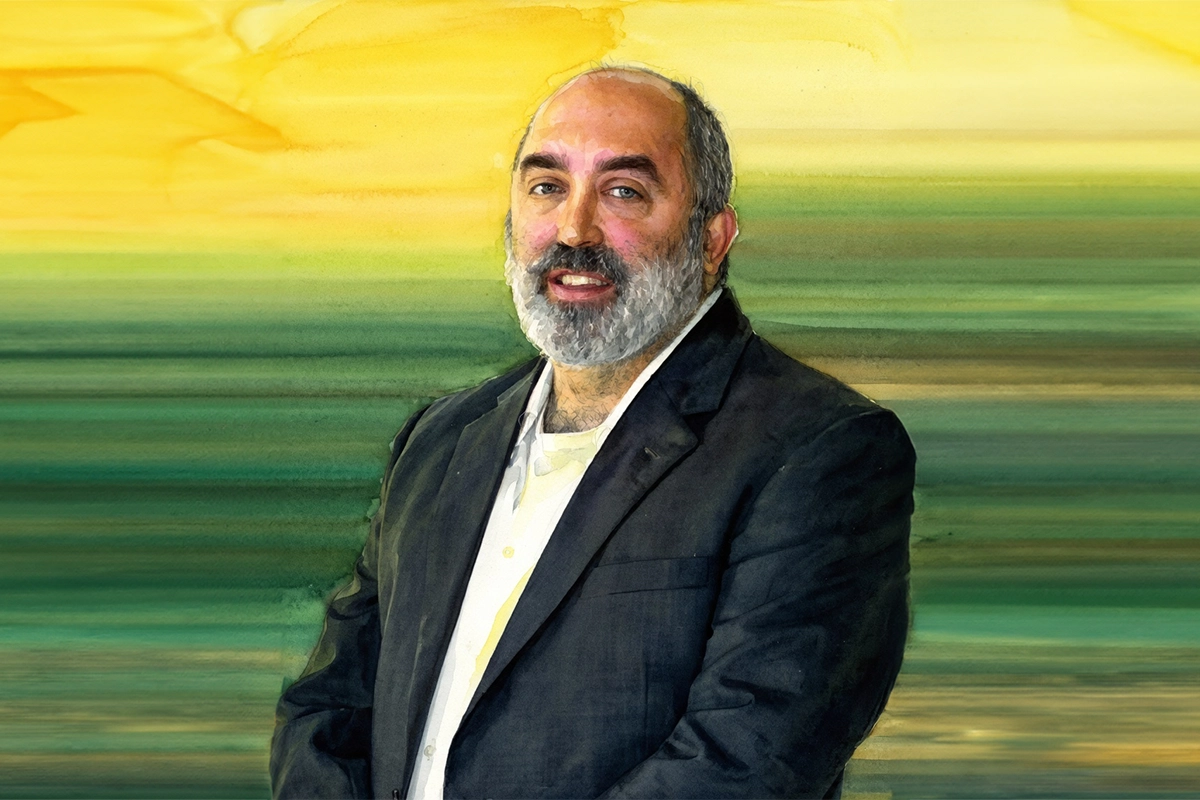





Photo: J. D. Edwards, award-winning author, brings myth and history together in stories defined by emotional depth and imaginative scope.
A Journey Through Myth, Identity And The Fragility Of Peace
J. D. Edwards discusses his evolving Faerie Chronicles, exploring darker themes, political tension, identity, and history, while emphasising emotional truth, character growth, and the enduring struggle for unity and healing.
J . D. Edwards emerges as one of contemporary literature’s most compelling and versatile voices, a writer whose work seamlessly traverses genres while maintaining a distinctive emotional and intellectual depth. In a feature interview published by Reader’s House, Edwards reflects on the creative vision behind his expanding body of work, offering insight into the imagination and discipline that define his storytelling.
Best known for his richly layered fantasy series, The Faerie Chronicles, Edwards has earned acclaim for his ability to fuse mythic storytelling with deeply human themes. In The Scions of Faerie and its darker sequel, The Talismans of Faerie, he constructs a world shaped as much by beauty and wonder as by consequence and conflict. Drawing from Celtic mythology and historical research, Edwards crafts narratives that invite readers to explore not only magical realms but also questions of identity, responsibility, and moral choice.
J. D. Edwards is a masterful storyteller whose emotionally rich, intellectually layered narratives redefine modern fantasy with depth, humanity, and imagination.
Speaking about his decision to continue the journey of protagonists Drew and Ian, Edwards explains that their story demanded further exploration. While the first instalment introduces a world of discovery, the sequel delves into its underlying tensions. The tonal shift, he notes, was not imposed but emerged organically from the characters’ decisions. As innocence gives way to experience, the narrative takes on greater emotional weight, reflecting the consequences of choices made in a fragile and often divided world.
A central theme in The Talismans of Faerie is the breakdown of peace between the Fey and the Dryads. Edwards uses this conflict to examine the complexities of reconciliation and diplomacy, framing real-world struggles within a mythic context. Peace, he suggests, is not a singular achievement but an ongoing and often fragile process, easily undone by fear and mistrust. Through fantasy, he is able to explore these truths with both distance and clarity.
The symbolic heart of the novel lies in the Soul Stones, or Pangari—mystical objects that represent fragments of history, memory, and identity. For Edwards, they embody the consequences of division and the necessity of confronting the past. Their recovery becomes not just a physical quest but an emotional and moral journey, requiring characters to face uncomfortable truths and embrace responsibility for healing old wounds.
Character development remains at the forefront of Edwards’ storytelling. Drew’s transformation, in particular, is handled with care and nuance. His journey is as much internal as external, shaped by moments of self-discovery and the burden of choice. Edwards emphasises that identity is forged through decisions, especially those made in uncertainty or fear.
Despite the expanding world of Faerie—with its Naiads, Elves, Korred, and other beings—Edwards maintains a careful balance between world-building and narrative pace. Each new element serves to deepen character understanding rather than distract from it, ensuring that the story remains grounded in emotional truth.
Beyond fantasy, Edwards’ background in genealogy has significantly influenced his writing. With decades of research and numerous published articles, he brings a historian’s sensibility to his fictional worlds. He recognises that every lineage carries both triumph and tragedy, and this awareness informs the layered histories and conflicts within his narratives.
Reflecting on his career, Edwards acknowledges the encouragement that awards and recognition provide, while remaining focused on growth and humility. For aspiring writers, he offers practical advice: create flawed, relatable characters, prioritise emotional authenticity, and remain resilient in the face of rejection. Success, he believes, is not measured by speed but by persistence and the gradual refinement of one’s voice.
Ultimately, Edwards’ work stands out for its sincerity and depth. In an era often driven by spectacle, his stories offer substance—thoughtful, immersive, and resonant. As highlighted in Reader’s House, his voice continues to evolve, inviting readers into worlds that challenge, inspire, and endure long after the final page.