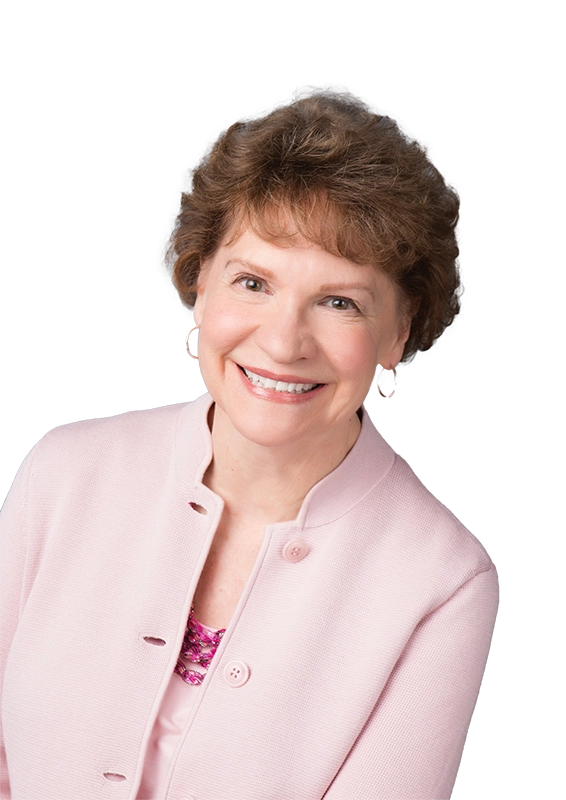




Photo: Author Dianne C. Braley on Martha’s Vineyard, the evocative setting of her novel The Silence in the Sound.
Exploring Addiction, Love, And Courage Through Fiction And Poetry
Dianne C. Braley shares her creative journey, discussing her novels, poetry, and life experiences while exploring themes of addiction, trauma, love, healing, and resilience with empathy and authenticity.
D ianne C. Braley writes with a bold yet tender voice, fearlessly exploring the depths of addiction, trauma, and loss with a profound compassion that lingers long after the final page is turned. With her unique blend of life experience—shaped by her medical career and a pivotal encounter with Pulitzer Prize-winning author William Styron—Braley’s work creates a bridge between lived realities and literary soulfulness, delivering stories that speak to anyone who has ever loved through pain.
Her debut novel, The Silence in the Sound, stands as a testament to this mission. Set against the evocative and often mysterious backdrop of Martha’s Vineyard, Braley tells the story of a protagonist haunted by echoes of a childhood marked by addiction. Drawing from her own upbringing in an alcoholic household, Braley weaves a narrative of raw emotion, discovery, and reckoning.
“When you grow up with addiction, it becomes your normal, even when that normal is painful,” Braley reflects. “It shapes you in ways you don’t fully understand until much later.”
Dianne C. Braley is a fearless and compassionate storyteller, masterfully capturing hard truths with emotional depth and literary grace.
Through her protagonist’s journey, The Silence in the Sound unfolds as a layered exploration of love, addiction, and self-discovery. Martha’s Vineyard—known for its scenic beauty—becomes a compelling character in its own right, offering refuge and renewal but also unearthing the ghosts of the past. “The island has an almost dual nature,” Braley says. “Its beauty can be both comforting and unsettling. It’s a place where people go to escape, but it’s also a place where the past has a funny way of catching up with you.”
Braley’s second novel, The Summer Before, dives deeper into another overlooked realm: the families of those who commit crimes. In it, Braley examines the ripple effects of betrayal and crime while shining a light on the pain endured by secondary victims—the loved ones left behind in the wake of unspeakable acts. “We don’t talk enough about the collateral damage,” Braley says. “But those stories matter, too. They are part of the larger picture of loss and recovery.”
In addition to her novel writing, Braley’s poetic voice takes center stage in her collection Unheard Whispers, a deeply personal work rooted in her childhood. Her poetry strips away the surface, offering a stark and haunting lens into memories of love, chaos, and survival. “Poetry is where I let go of all pretense,” Braley shares. “While my novels allow me to take my time building the world, poetry is raw—it’s the brief but unforgettable flash of what lives in your mind and heart. It captures what feels too fleeting for prose.”
Her background as a nurse also lends a unique depth and authenticity to her work. Years spent witnessing the physical and emotional toll of trauma provide her stories with a rare gravitas. Braley says, “I’ve seen grief show up in the way a person moves, in the subtle way they breathe. That’s the level of reality I try to bring to my writing.”
Another defining moment in Braley’s life was a chance encounter with William Styron while working as a nurse on Martha’s Vineyard. It was a turning point in her artistic journey—an experience that reignited her creative fire. “Caring for him, being in his presence, reminded me of what writing meant to me,” she says. “It was a wake-up call to stop suppressing my own voice.”
Even as her work navigates complex and often heavy themes, Braley’s purpose remains rooted in empathy and advocacy. Her approach to addiction, in particular, reflects both her personal connection to its effects and a desire to foster understanding and dialogue. “Addiction isn’t just the story of the person who drinks or uses—it’s the story of everyone whose life intertwines with theirs,” she explains. “I want to create space for those experiences. The pain. The hope. The messy, non-linear journey of healing.”
For aspiring writers drawing from personal experiences, Braley offers this wisdom: “Be vulnerable but also be gentle—with yourself and the world you’re creating. Fiction gives you the freedom to reshape your experiences, to make sense of them in a way that feels right to you.”
Whether through her novels or poetry, Dianne C. Braley offers readers an extraordinary gift—stories that aren’t just read but felt, stories that demonstrate the resilience of the human spirit even when it is bruised by addiction, betrayal, and loss. Her work blends unflinching honesty with grace, offering solidarity to those navigating their own dark chapters.
Braley’s bravery as a writer reminds us that beauty and pain often coexist. Through her words, she shows us how to find a semblance of hope, even when faced with life’s most difficult challenges.
Originally published in Beacon Literary Review